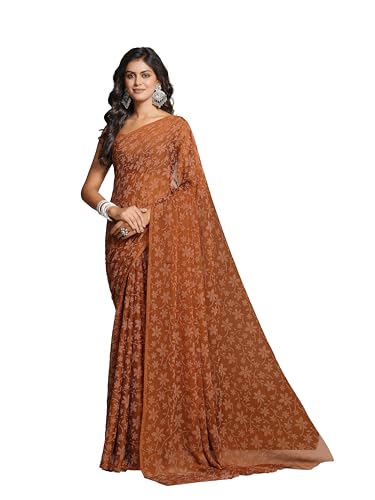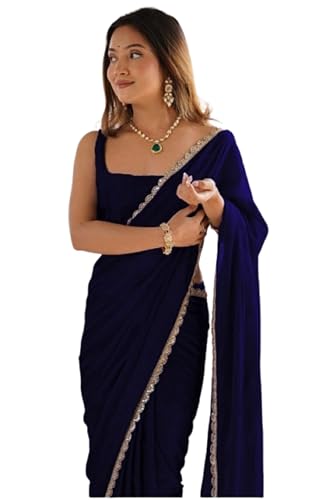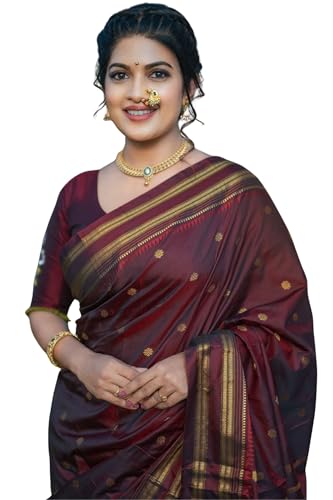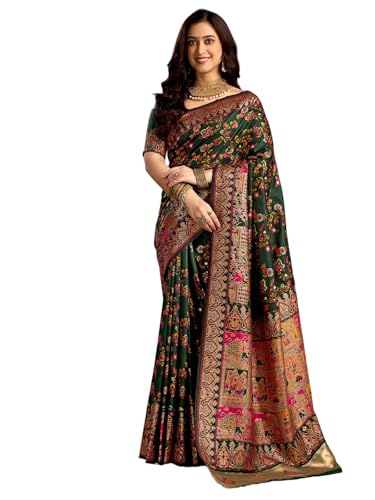
The Rich History of Sarees
The saree, a quintessential symbol of Indian culture, boasts a rich history that dates back thousands of years. Its origins can be traced to the Indus Valley Civilization, where artifacts suggest the use of draped garments resembling the saree. This traditional attire has served not only as clothing but also as a significant cultural emblem that reflects the diversity and identity of Indian society.
Over the centuries, the saree has evolved, adapting to the changing social and cultural landscapes of the Indian subcontinent. Initially woven from natural fabrics like cotton and silk, the types of sarees available today are extensive, comprising various materials, patterns, and embellishments. Regional variations have emerged, each distinct in design and draping styles, such as the nine-yard saree of Maharashtra or the Bengali tant saree known for its light-weight weave. The craftsmanship involved in saree making often showcases local skills and traditions, further amplifying its significance within different communities.
Historical events have played a crucial role in the evolution of sarees. For instance, during the colonial era, the introduction of machine-made textiles influenced traditional saree productions, giving rise to innovations in style and availability. Similarly, the post-independence period saw a revival of interest in indigenous weaves, leading to an appreciation and resurgence of traditional sarees. The continued evolution of this garment reflects the dialogue between history and modernity, showcasing the way sarees have managed to retain their cultural relevance while accommodating contemporary fashion sensibilities.
In summary, the saree is more than just a piece of clothing; it is a narrative woven through time, illustrating the changing fashions, artistry, and identities of the Indian people. As we delve into the multifaceted history of sarees, it becomes evident that they are a timeless representation of India’s rich heritage and cultural diversity.
Types of Sarees and Regional Variations
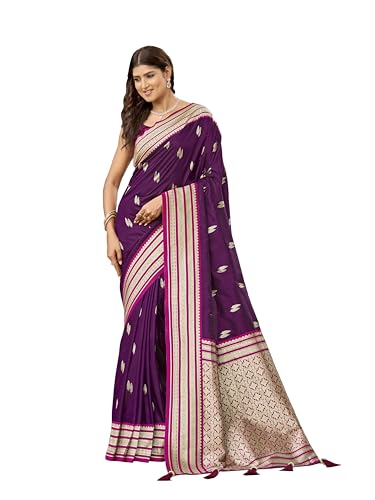
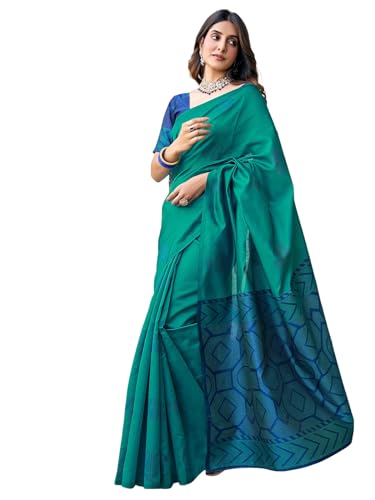
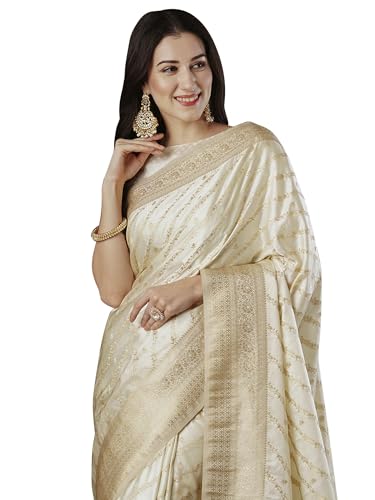
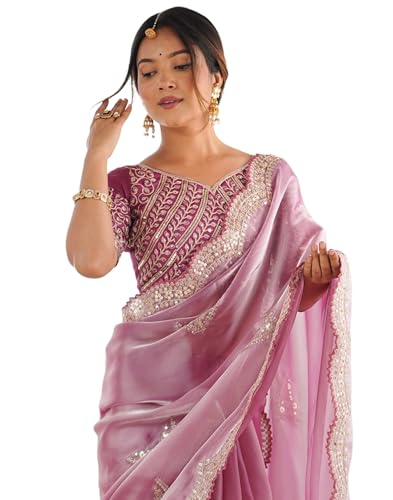
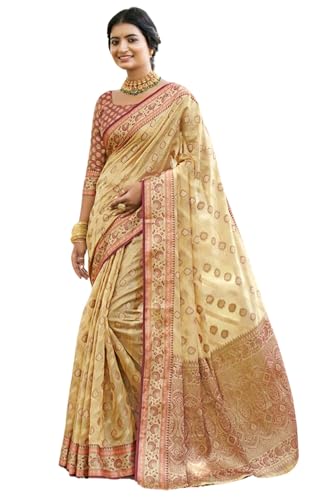
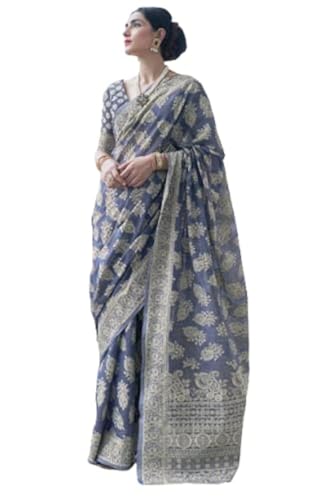
The saree, a traditional garment worn by women in India, varies significantly across the country, with each region contributing unique styles that embody local culture and craftsmanship. One of the most renowned varieties is the Banarasi saree, which hails from Varanasi. Crafted from luxurious silk, these sarees are characterized by intricate brocade work and vibrant colors, often incorporating gold and silver threads. The artistic motifs commonly depict floral patterns and intricate designs, making them an ideal choice for weddings and festive occasions.
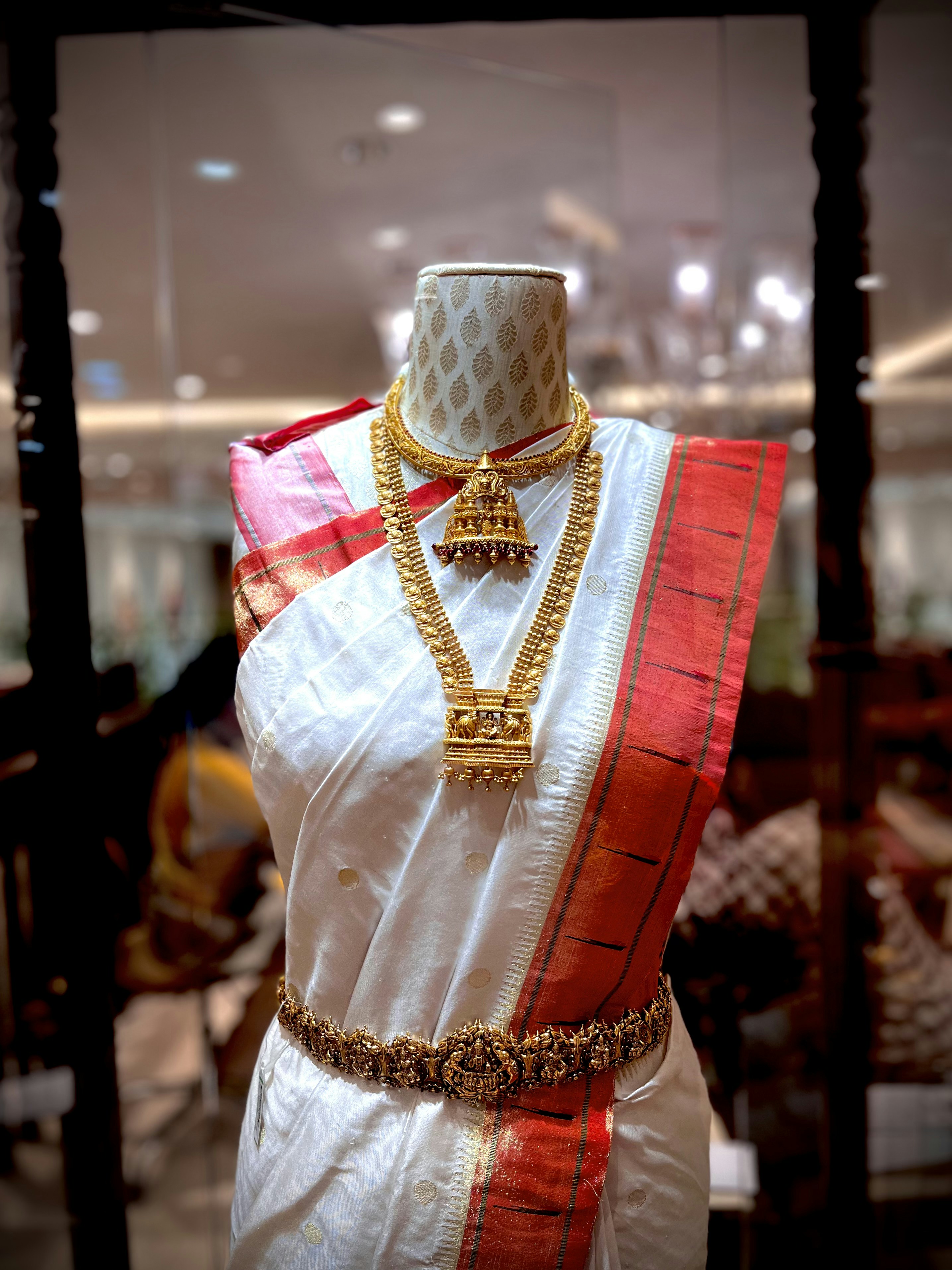
Another prominent type is the Kanjivaram saree, originating from Tamil Nadu. Known for its rich texture and elaborate patterns, Kanjivaram sarees utilize pure silk and feature contrasting borders with striking designs, often inspired by temple architecture. These sarees are cherished for their durability and can be seen gracing special events throughout the south of India.
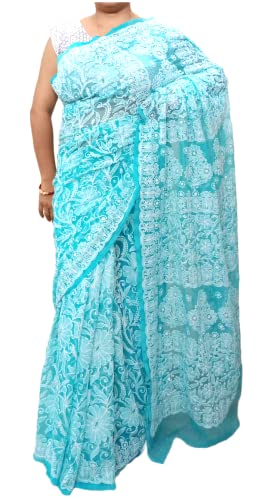
Chanderi sarees, from Madhya Pradesh, offer a lighter alternative, made from a mix of silk and cotton. Renowned for their sheer texture and fine craftsmanship, Chanderi sarees are often adorned with delicate motifs and subtle gold patterns. The sheer elegance of these sarees makes them suitable for casual wear and semi-formal occasions.
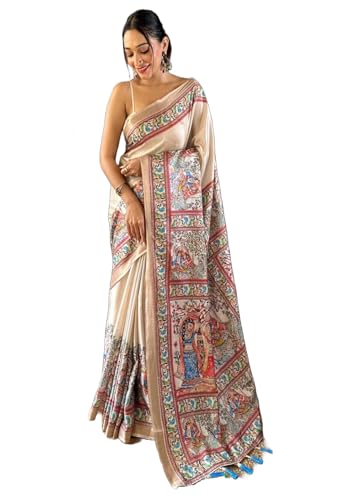
In addition to these, the Bandhani saree—originating from Gujarat—showcases the art of tie-dye, resulting in vibrant patterns and a colorful palette. The unique style of Bandhani sarees often reflects the joyful spirit of Indian festivals. Each type of saree not only represents the artistry of its region but also signifies the interplay of history, tradition, and aesthetics that make the saree a timeless piece in Indian fashion.
Saree Draping Styles: A Fashion Statement
The art of saree draping is a significant aspect of Indian culture, showcasing the rich heritage and diversity that this garment embodies. Among the various styles, the Nivi drape, originating from Andhra Pradesh, has become widely popular and is characterized by its elegant fall and silhouette. To achieve the Nivi style, the saree is wrapped around the waist, with the end of the saree (pallu) elegantly draped over the shoulder, allowing for a flattering and comfortable fit. This versatile technique can be paired with different blouses and accessories, making it suitable for both casual and formal occasions.
Another notable style is the Bengali drape, which is recognized for its unique pleating and elaborate pallu. In this draping method, the saree is wrapped from the left side with the pallu elegantly flowing down the back. The structured pleats at the front add an element of sophistication, and this style is often adorned with intricate motifs, giving it a timeless charm. Women who opt for this style may consider wearing heavier fabrics, such as silk or tant, elevating the overall elegance.
Maharashtrian draping, on the other hand, is distinct with its distinctive ‘Nauvari’ or nine-yard saree, traditionally worn with the saree trailing behind like a dhoti. This drape is not only practical but also allows for ease of movement, making it ideal for daily chores. Enhancing the drape can be achieved by pairing it with traditional Kolhapuri chappals and intricate jewelry, combining heritage with contemporary fashion.
In recent times, contemporary innovations in saree draping have emerged, merging traditional drapes with modern aesthetics. Styles that feature unconventional draping methods, such as the use of belts or jackets, are gaining popularity. This fusion creates a unique statement, appealing to today’s women who seek to express their individuality while honoring cultural traditions. Ultimately, the saree remains a versatile garment that continues to evolve, ensuring its relevance in contemporary fashion.
How to Choose the Perfect Saree
Choosing the perfect saree involves several considerations that can greatly enhance your overall look and ensure that you feel confident and elegant in this timeless attire. One of the first factors to contemplate is your body type. Different saree draping styles can flatter various body shapes, so it’s essential to consider how the saree will accentuate your natural silhouette. For instance, a mermaid style drape can enhance curves, while a more relaxed drape may suit a slender frame. Understanding your body type will help you appreciate how to choose a saree that complements your unique figure.
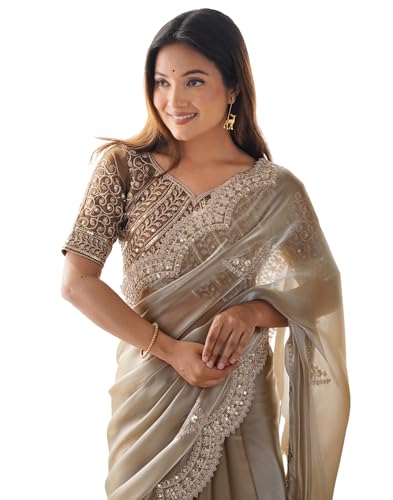
Next, the choice of fabric is crucial in your selection process. Various fabrics, such as silk, cotton, chiffon, and georgette, come with their own characteristics, influencing the saree’s drape and overall aesthetic. For formal occasions, opulent fabrics like silk are often favored, while cotton sarees are perfect for casual outings or summer events due to their breathability. Additionally, consider seasonal changes; lighter fabrics are ideal for warmer months, and heavier materials work well during cooler seasons.
Color selection is another vital aspect when choosing a saree. While personal preference plays a role, understanding how colors reflect your style and skin tone can guide you toward a suitable choice. Rich, vibrant hues can make a statement at festive occasions, whereas pastel shades often exude elegance and sophistication for more subdued events. To enhance the overall impact of the saree, choose accessories carefully. Complementing jewelry, stylish blouses, and appropriate footwear can significantly elevate your look. Remember, a well-coordinated appearance can transform your saree from simple to stunning, making it an excellent choice for any occasion.